
- TOP
- Cutting-edge Research and Social Contribution
- Cutting-edge Research
- A paradigm shift in advanced semiconductor materials development: development of high-mobility, high-reliability oxide thin-film transistors
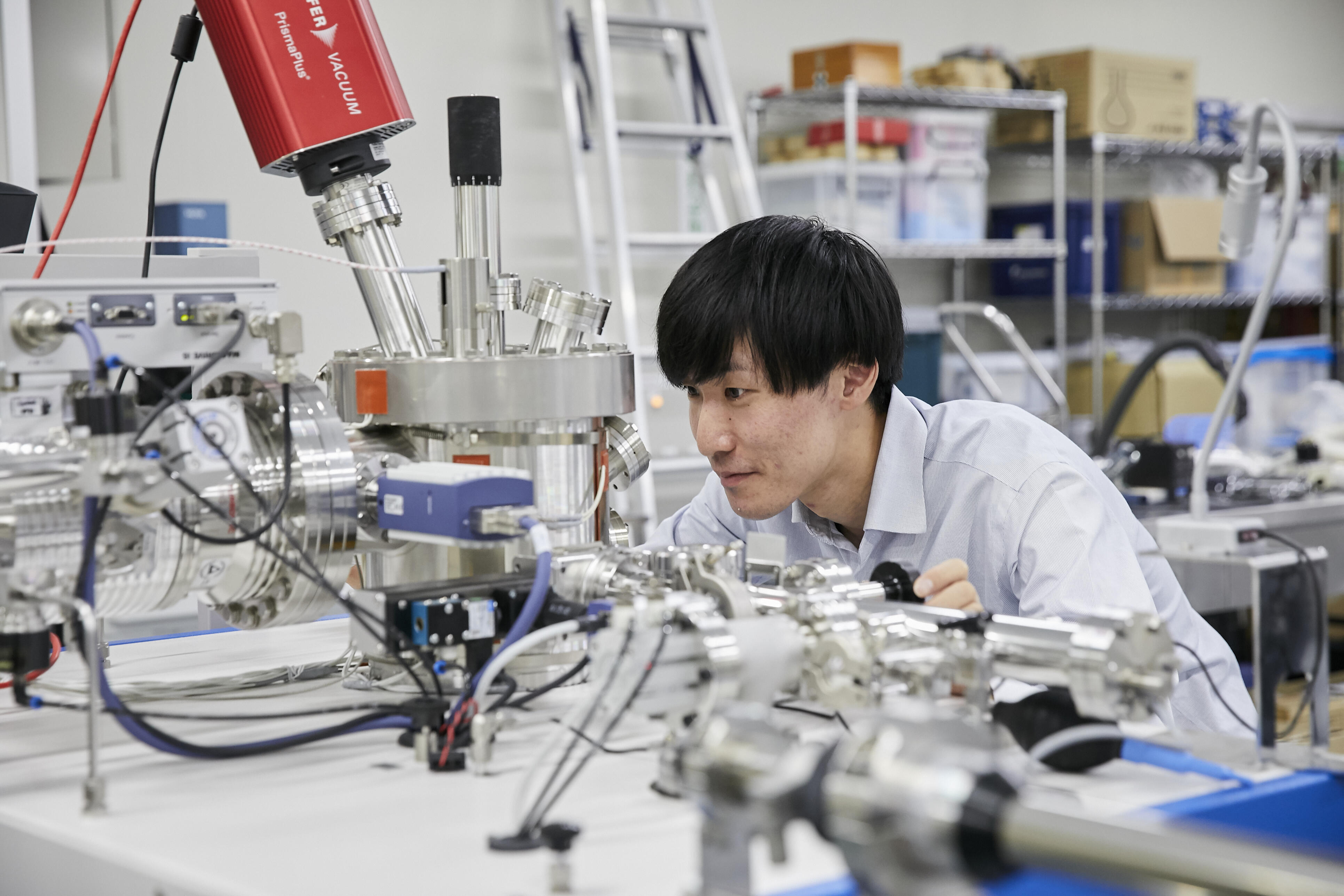
A paradigm shift in advanced semiconductor materials development: development of high-mobility, high-reliability oxide thin-film transistors
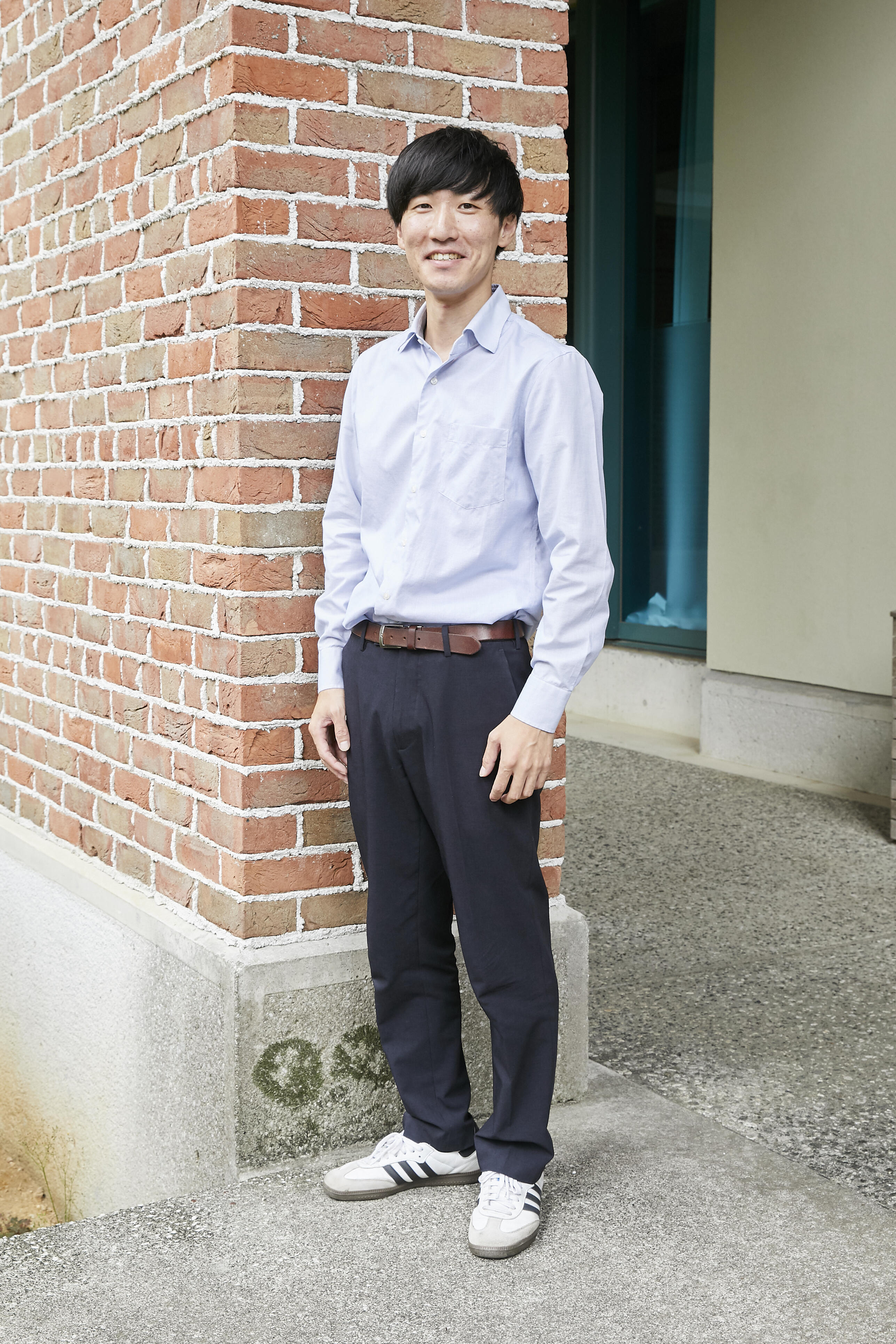
MAGARI Yusaku
- Specialized field
Solid State Physics, Thin Film Engineering, Electronic Device Engineering
- Information and communication technology (ICT) supports modern society, and forms the basis of our daily lives and industry as a core infrastructure alongside power grids and transportation networks. In particular, rapid advances in AI, IoT, and big data are placing unprecedented demands on ICT infrastructure for higher performance and greater reliability.
One of the core components that physically supports ICT is the thin-film transistor (TFT), which is indispensable for displays, various sensors, and memory. TFTs are generally fabricated on glass substrates and function as switches that rapidly and precisely control electrical signals. In an IoT society, enormous numbers of devices operate continuously and AI processes big data in real time, so it is essential for TFTs to combine high speed with low power consumption.
TFT materials for displays have evolved from amorphous silicon to IGZO, an amorphous oxide semiconductor composed of indium (In), gallium (Ga), zinc (Zn), and oxygen (O). However, the limits on further extending conventional materials are beginning to come into view, due to demand for ultra-high definition and ultra-high-speed, as well as the problem of tremendous power consumption in an AI and IoT society. The high current-driving capability indispensable for high-performance operation is becoming fundamentally insufficient.
To address these challenges, Dr. Yusaku Magari has pursued research based on an integrated three-part approach uniting materials, processes, and device structure. By consistently treating everything from materials design and crystallization processes to device structure design, he is opening up a new path toward realizing TFTs with both high mobility and high reliability. Here, we introduce part of this innovative work.
The potential of materials: a new epoch due to oxide semiconductors and hydrogen
The next-generation semiconductor material that Dr. Magari has focused on is indium oxide, which exhibits exceptionally high electron mobility among metal-oxide semiconductors, in which metals are bonded with oxygen.
As conventional silicon-based semiconductor technology reaches maturity, it will be necessary going forward to fundamentally rethink the very concept of materials themselves in order to realize electronic devices with even higher performance and lower power consumption.
"Silicon is the obvious choice when it comes to semiconductor materials, but we are taking a different approach. We focused on metal-oxide semiconductors, which have a wide band gap and can inherently operate with low power consumption--particularly indium oxide, which is expected to offer especially high electron mobility. Furthermore, a major feature of this research is the intentional introduction of hydrogen."
The first challenge of the research was how to break through the performance limitations of amorphous IGZO, which has been widely used as a TFT material for displays. While the amorphous structure is suitable for large-area, low-temperature processes, the flow of electrons is easily disrupted, making it difficult to achieve high current-drive capability.
"Amorphous IGZO does not have sufficient capacity for current flow, and that limits its use in driving high-definition displays and high-frame-rate video. We therefore believed it was important to move away from an amorphous structure, in which metal and oxygen atoms are arranged in a disorderly way, and instead bring the material into a crystalline state with a well-ordered atomic arrangement." In other words, the structural shift from amorphous to crystalline was the key to next-generation TFTs.
Unexpected results lead to a breakthrough
Needless to say, in the pursuit of high-performance oxide semiconductors, controlling trace components in the material is a crucial issue that determines the characteristics of TFTs. As Dr. Magari and his colleagues advanced their research on controlling crystal structures, they discovered that controlling a certain element brought about an unexpected breakthrough.
Dr. Magari reflects on the situation at the time:
"Hydrogen was often treated in the manufacturing process of oxide semiconductors as undesirable, or a factor that impairs quality. However, because hydrogen is an extremely light and ubiquitous element, it inevitably gets mixed into oxide semiconductors. We therefore changed our thinking and conducted extensive experiments in which we precisely controlled the amount of hydrogen in order to clarify what kind of effect that hydrogen has on the quality of oxide semiconductors. Under conditions in which hydrogen reached an optimal concentration, we found that abnormal grain growth and defect compensation in the oxide semiconductor thin film proceeded simultaneously after heat treatment, resulting in the formation of crystals with extremely high conductivity. That was the breakthrough point in our research. It truly was an unexpected result.
This discovery led directly to the later realization of hydrogenated polycrystalline indium oxide TFTs. By precisely controlling electron density and crystallinity through hydrogen doping, it became possible to synthesize indium oxide thin films, which had previously been mere aggregates of microcrystals exhibiting metallic conduction, into high-quality semiconductor thin films capable of functioning as the active layer of a TFT.
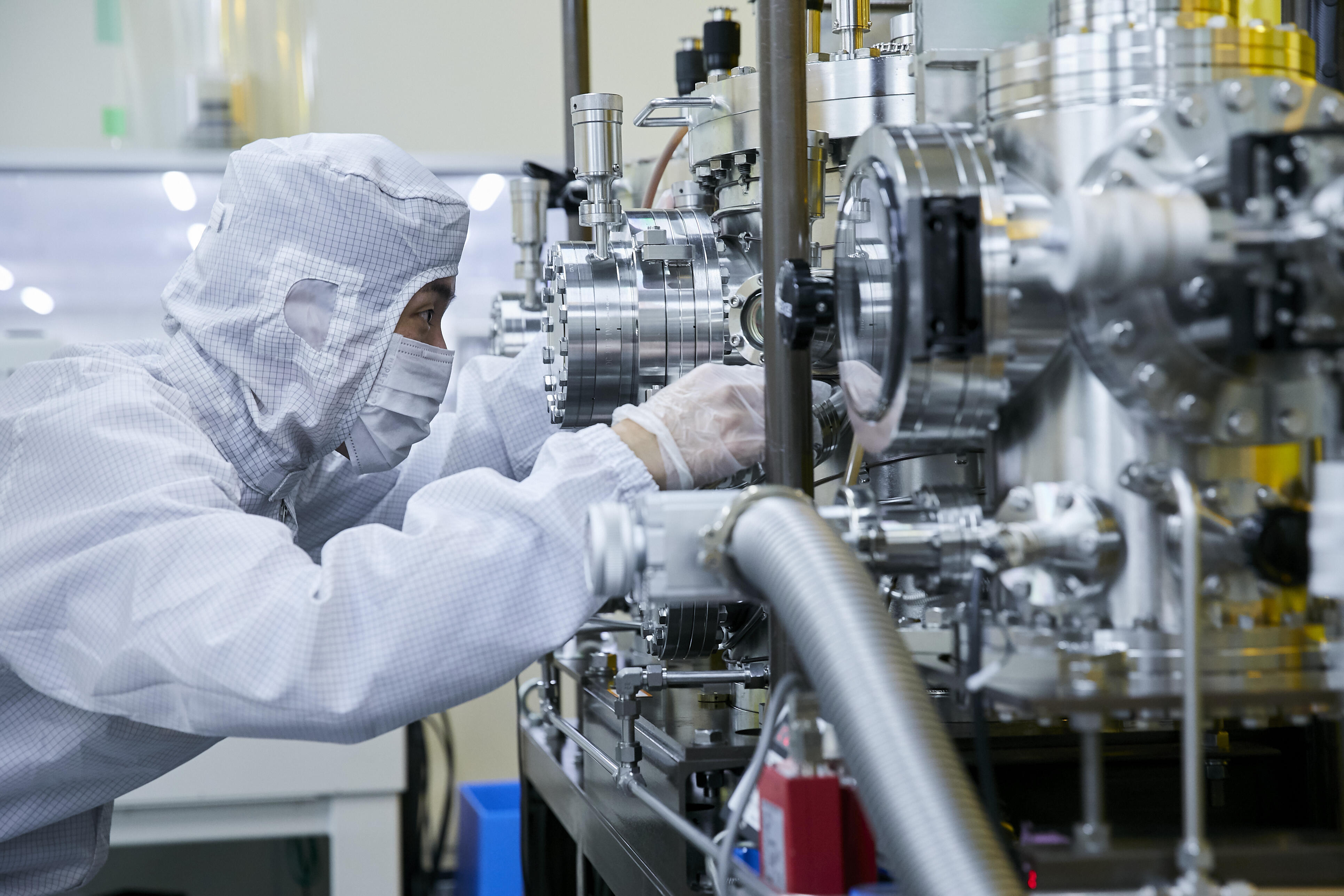
Realization of the world's highest-performance oxide TFTs through low-temperature solid-phase crystallization technology
In applications to next-generation displays, three-dimensional integrated devices, and semiconductor memories, it is an essential condition that the TFT fabrication process be realized at comparatively low temperatures (up to about 400°C). This is to achieve higher integration and greater functionality while suppressing thermal damage to the substrate materials and underlying circuits.
The low-temperature solid-phase crystallization technology for indium oxide thin films employing hydrogen doping, developed by Dr. Magari and his colleagues, is a groundbreaking process that enables crystallization at the low temperature of 200°C and thus meets these requirements. Furthermore, because hydrogenated indium oxide thin films can be deposited over large areas with high uniformity by sputtering, it becomes possible to establish a highly efficient manufacturing process with excellent mass production characteristics.
TFTs fabricated using this low-temperature solid-phase crystallization technology have achieved a field-effect mobility of 139.2 cm2 V⁻1 s⁻1, which is more than ten times that of amorphous IGZO TFTs currently in practical use, and even surpasses polycrystalline silicon TFTs, for performance at the world's highest level. When these results were published in an academic journal in 2022, they drew a strong response both in Japan and abroad, and the paper had been cited more than 200 times as of 2025, indicating that it has been extremely highly regarded academically.
This increase in mobility is a result that dramatically improves the high-speed switching performance of TFTs and directly contributes to achieving both higher performance and lower power consumption in next-generation displays and semiconductor memories. In addition, the feature of being able to fabricate at low temperatures points to major potential for applications in three-dimensional highly integrated devices and in flexible electronic devices on plastic substrates with low heat resistance.
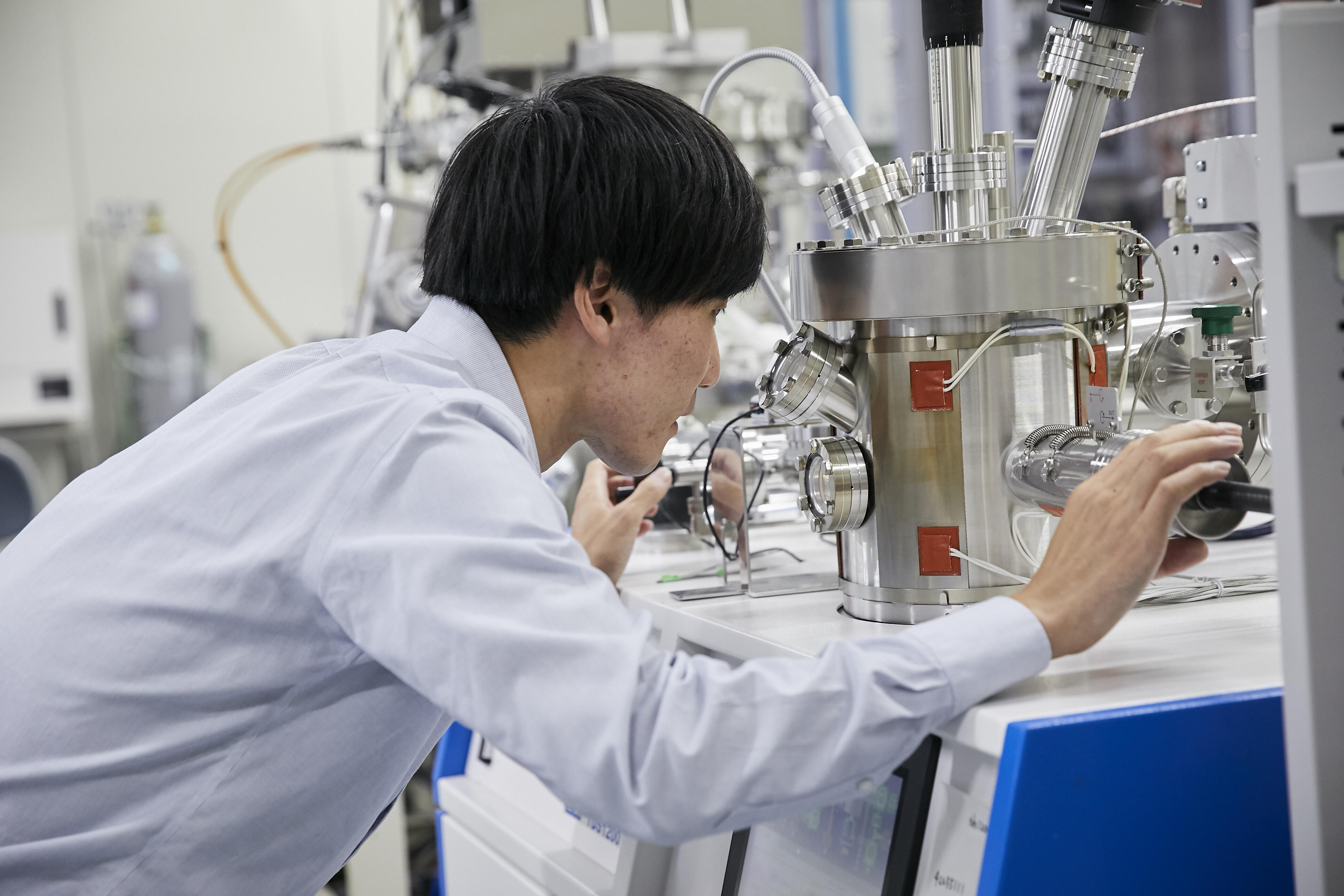
Dramatic improvement in TFT reliability through innovations in device structure
Achieving outstanding performance in terms of high mobility is an important milestone in TFT technology, but it is only a stepping stone toward practical application. In actual device applications, what matters most is ensuring reliability--that is, the ability to continue operating stably over a long period of time.
One of the essential issues remaining for high-performance TFTs is the so-called decline in stability, whereby electrical characteristics vary over time with prolonged use or voltage application. This is thought to be caused by the adsorption and desorption of gas molecules such as moisture and oxygen in the air on the surface of the oxide semiconductor thin film that serves as the TFT's active layer.
Dr. Magari and his colleagues found a solution to this reliability problem from the standpoint of optimizing the device structure itself. That solution was the introduction of a heteroepitaxial protective film.
The core of this method lies in covering and protecting the surface of the indium oxide thin film, which is the TFT's active layer, with a different type of oxide material whose crystal structure is matched at the atomic level. Rare-earth oxides such as yttrium oxide, whose crystal structures are extremely close to that of the active layer, are used for the protective layer. This heteroepitaxial protective layer both suppresses, to the greatest possible extent, crystal defects at the interface with the active layer, and effectively blocks the pathways by which external gas molecules can adsorb onto and desorb from the thin-film surface.
As a result, TFTs incorporating the heteroepitaxial protective layer exhibit extremely high operational stability, achieving the high reliability required for practical use where electrical characteristics show almost no change even when a voltage of ±20 V is continuously applied for long periods.
Dr. Magari describes the course of his research as follows:
"First, the important thing is basic research into how to synthesize high-quality materials and form large crystal grains at low temperatures. However, materials research alone is not enough; if performance is not exceptional, impact is weak. In particular, there is the reality that it is difficult to attract much attention if devices are not actually fabricated, driven, and their performance demonstrated. Conversely, while it is extremely difficult to integrate material properties and device physics within a research effort, I feel that this is also the most interesting part of the field."
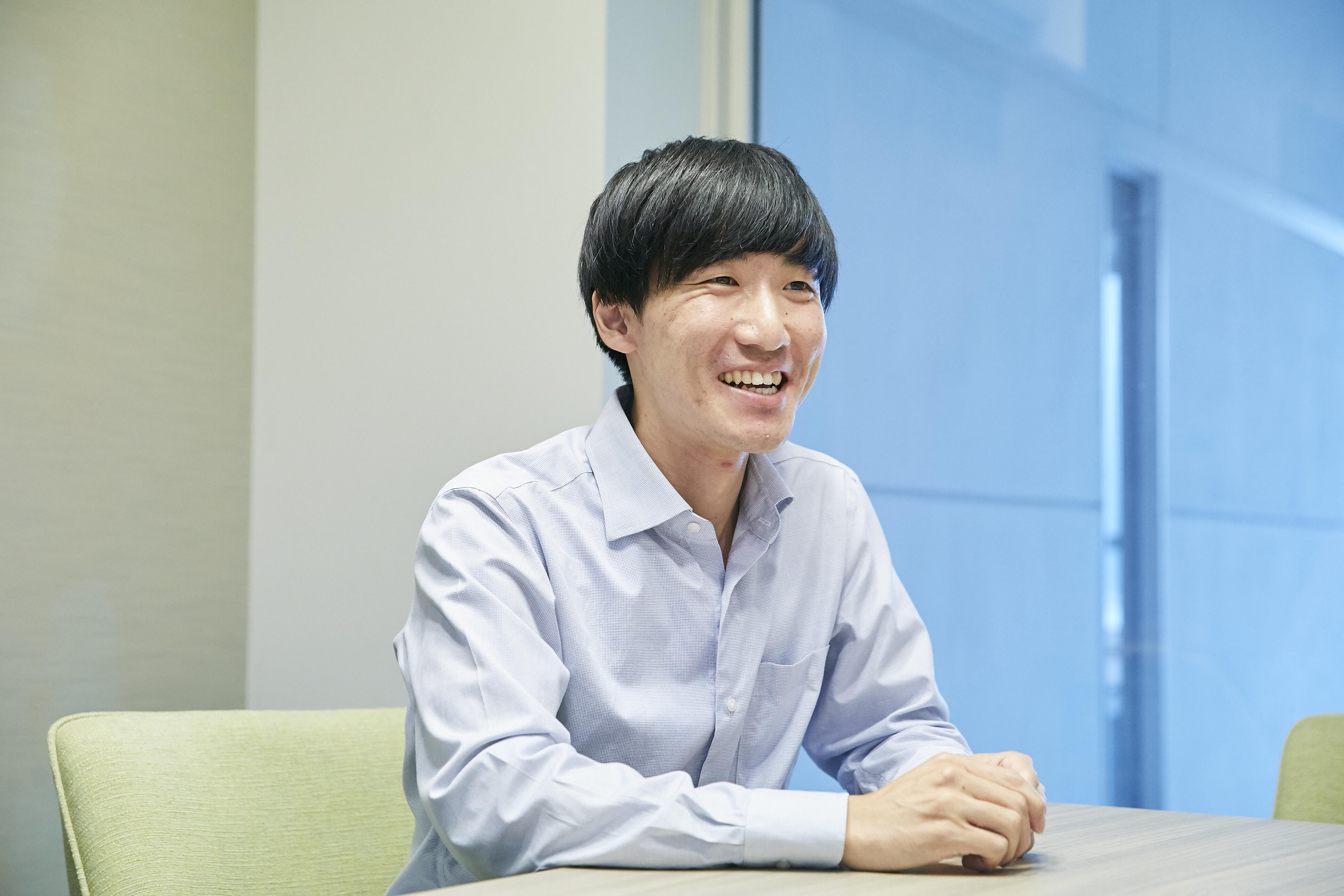
Date of posting: May 2026 / Date of interview: October 2025
- PREVIOUS
- NEXT